
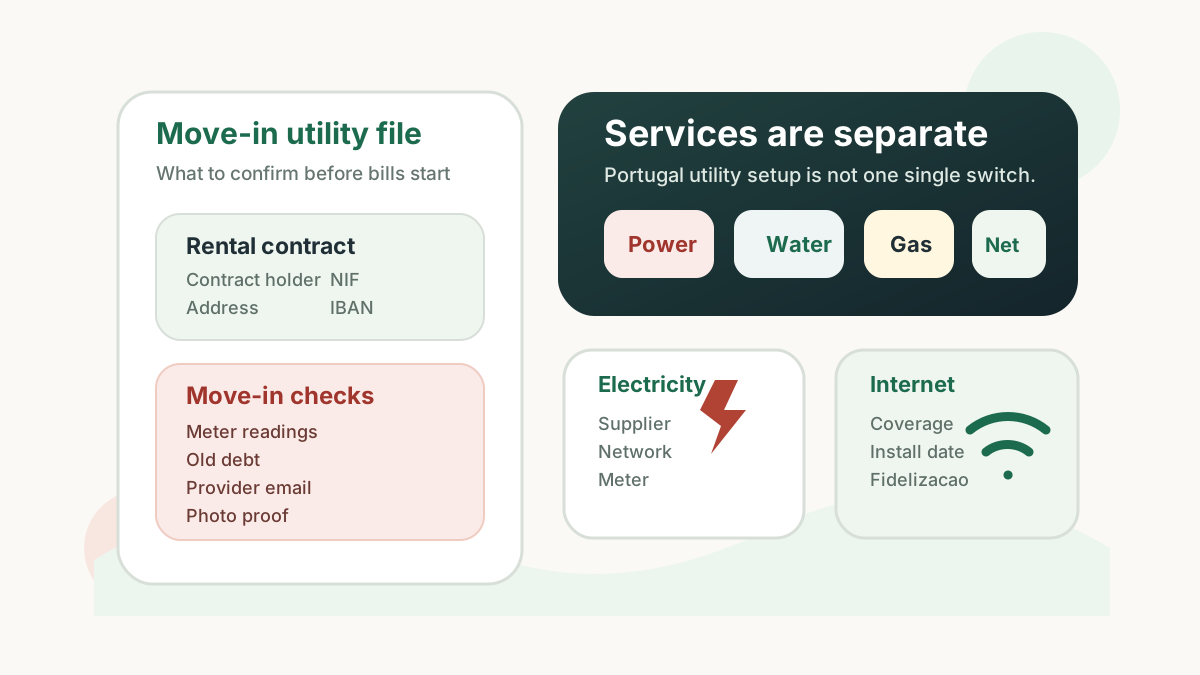
Setting up utilities in Portugal is one of the first practical jobs after renting or buying a home. For foreigners, the confusing part is that utilities are not one single system. Electricity, water, gas, internet, mobile, and TV can all follow different rules.
The most important thing is to control the paper trail from day one: who holds the contract, what the meter readings were, whether there is old debt, and how you can cancel or transfer the service later.
Last verified: April 26, 2026. Provider requirements, prices, contract terms, and complaint routes can change. Always confirm current requirements with the provider or regulator before signing.
Quick Answer
To set up utilities in Portugal, you usually need to arrange electricity, water, gas if the home uses it, internet, and mobile service separately. Providers commonly ask for ID, NIF, address, contract holder details, and payment information. Some may ask for a rental contract or proof you can use the property.
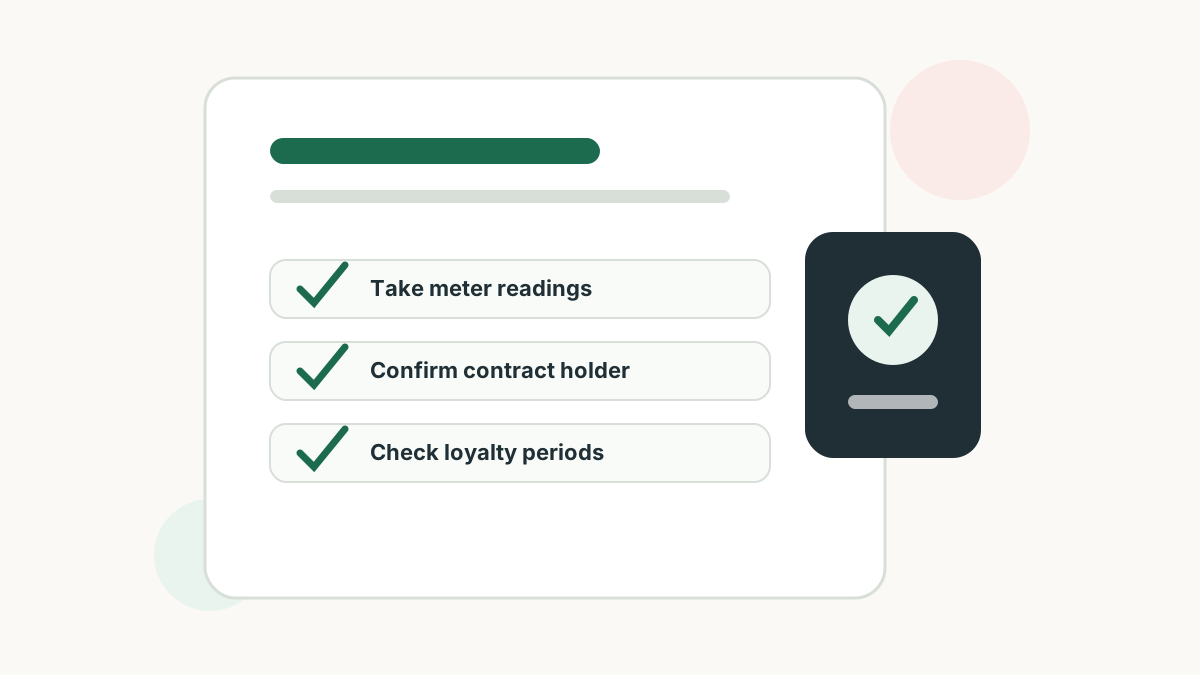
Before moving in, take meter readings and photos. Before moving out, cancel or transfer contracts, provide final readings, return telecom equipment, and keep final bills.
Who This Guide Is For
This guide is for foreigners who:
- Have just rented a house or apartment in Portugal
- Are moving between homes
- Need electricity, water, gas, internet, or mobile service
- Want contracts in their own name
- Are unsure what to ask the landlord
- Want to avoid old debt or cancellation problems
If you have not signed a rental contract yet, read our guide to renting a house in Portugal as a foreigner.
Utilities Checklist After Moving In
Most homes involve some combination of:
| Utility | Usually separate? | What to check |
|---|---|---|
| Electricity | Yes | Supplier, meter, contract holder, power level |
| Water | Yes | Municipal provider or local water company |
| Gas | Depends | Piped gas, bottled gas, or no gas |
| Internet/TV | Yes | Coverage, installation date, loyalty period |
| Mobile | Separate | Coverage at home and contract terms |
Do not assume the landlord handles everything. Some rentals include utilities, but many tenants open contracts themselves.
Documents Usually Needed
Requirements vary by provider, municipality, property, and whether the service is new, transferred, or reactivated.
Commonly requested documents include:
- Passport, ID card, or residence card
- NIF
- Portuguese address
- Rental contract, deed, or proof you can use the property
- Bank account or IBAN for direct debit
- Phone number and email
- Meter number or installation identification where available
- Previous contract details if transferring
If you do not have a NIF yet, start with our NIF guide. If you need payments or direct debits, a Portuguese bank account can help. See our guide to opening a bank account in Portugal.
Electricity in Portugal Explained
Electricity has two parts that foreigners often confuse:
- Supplier: the company that sells electricity to you and sends the bill.
- Distribution/network operator: the company responsible for the wires, meter, and distribution network.
In mainland Portugal, E-REDES is the main electricity distribution network operator. ERSE explains that distribution operators manage the grid and interact with consumers on issues such as grid connections, meter readings, and technical quality of service.
This means your electricity bill may come from one company, but meter or network issues may involve the distribution operator.
Before choosing a supplier, check:
- Monthly estimated cost
- Contract term
- Fixed charges
- Power level
- Dual electricity/gas offers
- Direct debit requirement
- Cancellation rules
Water Contract Explained
Water is local. gov.pt notes that water providers may vary by municipality. This is one of the biggest differences from electricity and telecoms.
In practice, the water provider may be:
- A municipal service
- A municipal company
- A local concession company
- A regional provider
Ask the landlord or previous tenant:
- Who is the water provider?
- Is the meter active?
- Is the contract in the landlord’s name or tenant’s name?
- Are there unpaid bills?
- What was the move-in reading?
If the provider asks for a rental contract or proof of address, ask exactly which document format they accept.
Gas Contract Explained
Not every Portuguese home uses gas.
Possible situations:
- Piped natural gas: contract with a gas supplier.
- Bottled gas: cylinders bought from local suppliers or delivery services.
- Electric-only home: no gas contract needed.
Before signing a rental contract, ask what the property uses for hot water, cooking, and heating. A flat with bottled gas is different from one with piped gas. A fully electric home has different monthly electricity use.
Internet and Mobile Contracts Explained
Internet and mobile contracts can be simple to sign and painful to cancel if you do not understand the terms.
The Portuguese word to know is fidelização. It means a loyalty or minimum contract period. gov.pt warns that if you sign a communications contract as part of a promotion, you may have to remain with the operator during that period, and cancelling early may involve penalties or returning equipment.
Before signing, ask:
- Is there fidelização?
- How many months?
- What is the early cancellation cost?
- What equipment must be returned?
- Is installation included?
- Is the address actually covered?
- What happens if service cannot be provided?
- How do you cancel in writing?
Do not rely only on the salesperson’s summary. Keep the contract and order confirmation.
What to Check Before Signing a Rental Contract
Ask the landlord:
- Which utilities are already active?
- Whose name are the contracts in?
- Are there unpaid bills?
- Can you transfer contracts to your name?
- What are the current meter readings?
- Is gas piped, bottled, or not used?
- Which water provider serves the property?
- Is fibre internet available at the address?
- Are there building restrictions on installation?
- Will the landlord give written permission if a provider asks for it?
If utilities are included in rent, ask how overuse, caps, and final adjustments work.
What to Do Before Moving In
Before you move in:
- Photograph electricity, water, and gas meters
- Save meter readings with the date and time
- Confirm who holds each contract
- Ask for proof that old bills are paid
- Check internet coverage before relying on remote work
- Ask whether equipment belongs to the landlord or provider
- Keep copies of contract requests and provider emails
- Confirm emergency contacts for leaks, power cuts, or faults
What to Do When Moving Out
When moving out:
- Give cancellation or transfer notice on time
- Take final meter readings
- Photograph meters again
- Ask for final bills
- Pay or dispute final amounts promptly
- Return router, TV box, SIM, or other telecom equipment if required
- Keep proof of cancellation
- Keep proof of equipment return
- Tell the landlord which contracts ended or transferred
Do not leave contracts running after you leave. You may keep receiving bills.
What Can Go Wrong
Common problems include:
- Provider refuses your document format
- Old tenant debt appears on the address
- Contract remains in landlord’s name and you cannot access support
- Internet installation is delayed
- Telecom cancellation creates unexpected fees
- Meter readings were estimated instead of real
- You move out but the provider says cancellation was never completed
- Water provider requires municipal-specific forms
If a provider refuses your documents, ask for the refusal reason in writing and ask what alternative document is accepted. If customer service does not resolve the issue, consider the official Livro de Reclamações or the relevant regulator route.
If Bills Are in the Landlord’s Name
Some landlords prefer keeping utilities in their name and charging the tenant. This can be convenient, but it creates risks.
Ask for:
- Written explanation in the rental contract
- Copies of bills
- Clear payment dates
- Meter readings
- Rules for excess usage
- Confirmation that you will not be charged old debt
If you need proof of address, provider contracts in your own name may help in some situations. But requirements differ by institution, so check before relying on a utility bill.
Common Mistakes Foreigners Make
- Signing telecom contracts without reading fidelização terms
- Not taking meter readings at move-in
- Assuming water provider is the same across Portugal
- Confusing electricity supplier with network operator
- Paying old bills without asking what period they cover
- Leaving contracts active after moving out
- Not returning telecom equipment
- Assuming bottled gas, piped gas, and electric appliances work the same way
- Not checking internet coverage before signing a lease for remote work
Practical Checklist
Before you feel settled, make sure you have:
- Electricity contract holder confirmed
- Water provider identified
- Gas type confirmed
- Internet installation booked or active
- Mobile coverage tested inside the home
- Meter readings saved
- Provider emails and customer numbers saved
- Direct debit or payment method confirmed
- Cancellation terms saved
- Landlord utility responsibilities written down
Summary
To set up utilities in Portugal, treat each service separately. Electricity, water, gas, internet, and mobile may involve different providers, documents, and cancellation rules.
The safest approach is to take meter readings, get contracts and payment terms in writing, understand telecom fidelização before signing, and keep final readings and bills when moving out. A small amount of paperwork at the beginning can prevent weeks of problems later.